
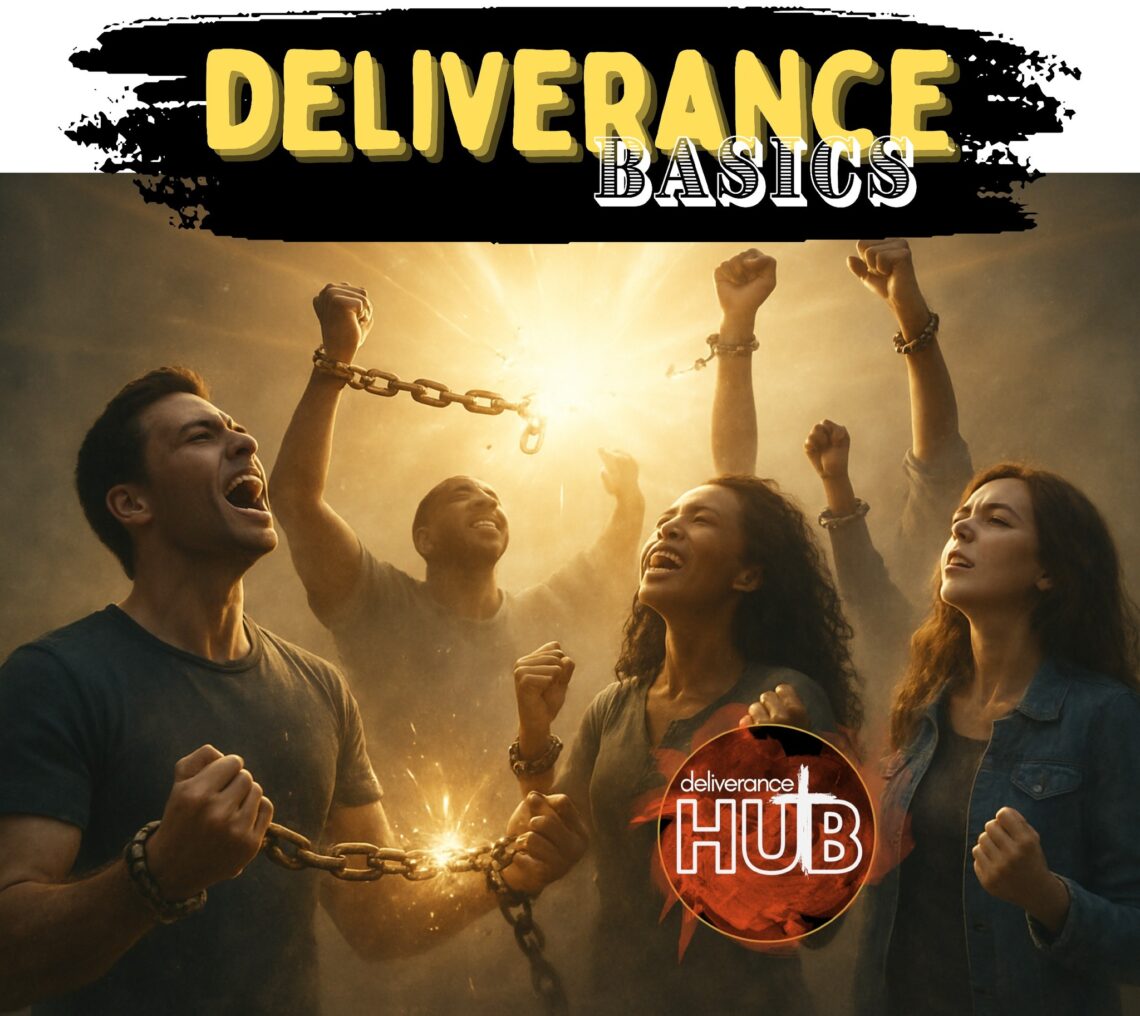
WYZWOLENIE: podstawowe informacje
Czym jest wyzwolenie i dlaczego ma znaczenie
Kiedy ludzie słyszą słowo „wyzwolenie”, często wyobrażają sobie coś dramatycznego, a nawet przerażającego. Ale prawda jest taka, że wyzwolenie jest jednym z najpiękniejszych przejawów miłości Boga. Jest to służba polegająca na uwalnianiu ludzi – zrywaniu łańcuchów, zamykaniu drzwi i prowadzeniu ludzi do pełni życia, którą obiecał Jezus.
Czym naprawdę jest wyzwolenie
Wybawienie nie dotyczy strachu – dotyczy wolności. Jezus powiedział w Ewangelii Jana 10:10: „Złodziej przychodzi tylko po to, aby kraść, zabijać i niszczyć; Ja przyszedłem, aby mieli życie i mieli je w pełni”.
Oznacza to, że wszystko, co kradnie, zabija lub niszczy w twoim życiu, nie pochodzi od Boga – a dzięki Chrystusowi możesz zostać od tego uwolniony.
Wyzwolenie nie polega na ściganiu demonów, ale na pomaganiu ludziom w spotkaniu z mocą krzyża. Polega na usuwaniu wszelkich przeszkód, które powstrzymują ich od podążania za Bożym zamysłem i pokojem.
Dlaczego potrzebujemy wyzwolenia
Wiele osób nosi niewidzialne kajdany – traumy z przeszłości, wzorce pokoleniowe, uzależnienia lub zaangażowanie w praktyki okultystyczne, których nie do końca rozumieją. Czasami te „otwarte drzwi” dają wrogowi dostęp do życia danej osoby. Wyzwolenie zamyka te drzwi i ustanawia władzę Jezusa Chrystusa.
W Ewangelii Marka 16:17 czytamy: „A te znaki będą towarzyszyć tym, którzy wierzą: w imię moje będą wyrzucać demony…”.
Wybawienie nie jest opcjonalnym dodatkiem – jest częścią Wielkiego Posłannictwa i ewangelii Jezusa.
Istota wyzwolenia
W swej istocie wyzwolenie nie polega na skupianiu się na ciemności, ale na przyprowadzaniu ludzi do światła. Polega ono na wskazywaniu im Jezusa, jedynego prawdziwego Wybawiciela. Naszym celem nigdy nie jest tylko „wypędzenie czegoś” – chodzi o to, aby prowadzić ludzi do głębszej relacji z Bogiem, gdzie mogą kroczyć w trwałej wolności.
Sercem wyzwolenia jest miłość. Nie chodzi o osądzanie, ale o współczucie dla tych, którzy są zniewoleni. Jezus przyszedł, aby uzdrowić złamanych na duchu, ogłosić wolność jeńcom i otworzyć drzwi więzienia dla tych, którzy są zniewoleni (Izajasz 61:1).
Chodzenie w wolności
Uwolnienie nie jest końcem podróży – jest jej początkiem. Kiedy człowiek zostaje uwolniony, musi codziennie kroczyć z Jezusem, wypełniać swoje życie Jego Słowem i otaczać się wspólnotą wierzących. Wolność trzeba strzec, pielęgnować i przeżywać.
Ostateczna zachęta
Jeśli zmagasz się z obszarami zniewolenia, wiedz, że wolność jest możliwa. Jezus już zapłacił cenę za twoje wyzwolenie na krzyżu. Bez względu na to, przez co przeszedłeś i jak długo zmagasz się z problemami, jest nadzieja.
Wybawienie nie polega na mocy wroga – polega na mocy Zbawiciela. A kiedy Jezus cię wyzwoli, będziesz naprawdę wolny (J 8:36).
W Jego służbie
Riaan Swiegelaar
29 sierpnia 2025 r.
oryginał:
DELIVERANCE : the basics
What Is Deliverance and Why It Matters
When people hear the word deliverance, they often picture something dramatic or even frightening. But the truth is, deliverance is one of the most beautiful expressions of God’s love. It’s the ministry of setting people free—breaking chains, closing doors, and leading people into the fullness of life Jesus promised.
What Deliverance Really Is
Deliverance is not about fear—it’s about freedom. Jesus said in John 10:10: “The thief comes only to steal and kill and destroy; I have come that they may have life, and have it to the full.”
That means anything that steals, kills, or destroys in your life is not from God—and through Christ, you can be set free from it.
Deliverance is not about chasing after demons, but about helping people encounter the power of the cross. It is about removing every hindrance that keeps them from walking in God’s purpose and peace.
Why We Need Deliverance
Many people carry invisible chains—past trauma, generational patterns, addictions, or involvement in occult practices they didn’t fully understand. Sometimes these “open doors” give the enemy access to a person’s life. Deliverance closes those doors and establishes the authority of Jesus Christ.
Mark 16:17 says: “And these signs will accompany those who believe: In my name they will drive out demons…”
Deliverance is not an optional extra—it is part of the Great Commission and the gospel of Jesus.
The Heart of Deliverance
At its core, deliverance is not about focusing on darkness, but about bringing people into the light. It is about pointing them to Jesus, the only true Deliverer. Our goal is never just to “cast something out”—it is to lead people into a deeper relationship with God, where they can walk in lasting freedom.
The heart behind deliverance is love. It’s not about judgment, but about compassion for those who are bound. Jesus came to heal the brokenhearted, proclaim liberty to the captives, and open the prison doors to those who are bound (Isaiah 61:1).
Walking in Freedom
Deliverance is not the end of the journey—it’s the beginning. Once a person is set free, they must walk with Jesus daily, fill their life with His Word, and surround themselves with a community of faith. Freedom must be guarded, cultivated, and lived out.
Final Encouragement
If you find yourself struggling with areas of bondage, know this: freedom is possible. Jesus has already paid the price for your deliverance at the cross. No matter what you’ve been through, or how long you’ve been struggling, there is hope.
Deliverance is not about the power of the enemy—it’s about the power of the Savior. And when Jesus sets you free, you are free indeed (John 8:36).
In His service,
Riaan Swiegelaar
29 August 2025
źródło:
Deliverance Hub blog